Keblinger

Keblinger

¿Ahora donde vamos? || Where do we go now?

| martes, 8 de noviembre de 2011
Hola de nuevo!
Hoy, como prometí, vengo cañera. Este post está dedicado a aquellas personas que alguna vez me han dicho lo orgullosas que estaban de mi por hacer lo que a ellas les hubiese gustado hacer, a aquellas que me han preguntado (retóricamente) si no hay cosas que hacer "en mi país" en vez de irme tan lejos, y a aquellas otras que me han dicho (también retóricamente) que qué pueden hacer ellas para cambiar las cosas. Pero sobre todo, esta dedicado a aquellas personas que tienen o planean tener hijos y a aquellas que sin tenerlos, tienen sobrinos u otros niños a su alrededor por los que darían todo lo que tienen.

A muchos de nosotros nos ha costado mucho tiempo darnos cuenta de que estamos viviendo sobre un tablero de monopoly, con unas reglas de juego tan o más duras que las originales: la adquisición de propiedades para unos pocos sin que importe a quien se deje fuera. Y bueno, como en el juego, mientras unos compran y otros tienen que vender, siempre existe una gama media de "jugadores" que no van ni ganando ni perdiendo, pero que al final, aunque consigan retrasar su derrota, serán abatidos por el único ganador de la partida, contra el que se puede hacer poco. 

  Y como ocurre en el monopoly, la sociedad del 20-80 a la que nos estamos dirigiendo no será benevolente con la "clase media" (mientras esta aún dure). Una sociedad en la que ya, en EEUU, un 1% de la población posee el 75% de los bienes totales y que continuará polarizándose hacia una sociedad de ricos (20) vs pobres (80).


Yo, cada día que pasa (y más mientras más intento indagar sobre el tema) estoy más segura de que nos estamos dirigiendo sin control hacia ese abismo. Cada día me da más rabia oír hablar de la palabra "crisis", ya que a mis oídos suena como a falso intento de convencerme de que es un bache en el camino hacia la prosperidad en vez de hablar con propiedad y rigor, dejando claro que el sistema en el que vivíamos (algunos en el derroche, otros en lo que llamábamos bienestar y otros en la más asombrosa miseria) simplemente ha quebrado y no se sostiene más. Un sistema capitalista, cuyas reglas de juego pusieron y cambian a su antojo y beneficio unos cuantos "poderosos", que ha sumido y hundido cada vez más hondo a los habitantes de los países que tenían menos armas para luchar contra él y que ahora empezamos a ver que también nos ataca directamente a nosotros, los que una vez nos sentimos y/o fuimos unos verdaderos provilegiados.

A ojos de muchos (cada día más, afortunadamente), este sistema podrido no tiene otra solución que su desaparición y cambio por otro nuevo. Se trata de un sistema en el que los poderes económicos (véase FMI, Banco Mundial, multinacionales, banca privada, etc) campan a sus anchas en un mundo globalizado principalmente para ellos (ya que el dinero y las inversiones se mueven libremente sin fronteras mientras que las personas aún no tienen ese mismo derecho), y hacen que nuestros "representantes", los políticos, no puedan hacer otra cosa que someterse a ellos (o no lo intenten lo suficiente). Y por eso es tiempo de REVOLUCIÓN PACIFICA, de salir a la calle y hacernos oír que no estamos para nada de acuerdo.

Está claro que esta minoría tiene el dinero y el poder por ahora, pero nosotros tenemos algo mucho más importante: 
¡¡¡SOMOS MUUUUUCHOS MÁS QUE ELLOS!!!   Y POR LO TANTO, ¡¡ELLOS SIN NOSOTROS NO SON NADIE!! 

Sevilla bajo las "setas" (19/06) - Bilbao en Arriaga (16/10)

Son muchas las cosas que se pueden hacer, pensándolas a conciencia y sin actuar precipitadamente, pero definitivamente es hora de empezar a hacerlas, ¡ya!.

Y no puedo hablar de este tema sin explicar que los que salimos la calle, los que exigimos que se nos oiga, los que bombardeamos a diario con nuestros mensajes reivindicativos, tenemos que soportar continuamente insultos de gente que ni siquiera sabe de lo que habla:
  • No somos unos perroflautas (¡¡no tengo ni perro ni flauta!!). Somos gente con estudios, formada y con valores. Gente que nos documentamos, que leemos, que no nos engañan ni entretienen con basura televisiva, con medios de comunicación comprados que sólo muestran lo que quieren, ni con otras porquerías varias.
  • Nada que decir sobre que somos piojosos... sería perder el tiempo. 
  • Que somos antisistema (lo cual utilizan como insulto a veces). Y bueno, si se refieren a que somos anti-sistema- capitalista no nos sentimos ofendidos, porque sí, lo somos. 
  • Que somos unos rojos. Y si con ello lo que defendemos es la equidad de oportunidades para todas las personas, ¿por qué no habríamos de serlo? No vamos contra el pan que alimenta a tus hijos, sino que estamos a favor del pan que alimenta tanto a los tuyos como a los de todos los demás.
  • Que somos unos verdes, amantes de las plantitas. Como si defender nuestro ecosistema no fuera defender el futuro y la supervivencia de nuestros hijos, nietos y todas las generaciones que no van a tener nada si seguimos por este camino insostenible. Ser verde significa ser solidario con los que aun no han nacido, que tienen tanto derecho como tú a disfrutar de la tierra. 

Y bueno, ¿cual es la primera medida como ciudadano para empezar a cambiar las cosas?
Pues lo primero es que te documentes, que leas, que te informes (usando fuentes diferentes, no te conformes con el ABC/Pais, TVE/Tele5/Sexta, etc). Sé critic@, sal, acércate a la gente para que te cuente lo que sepa y luego compruébalo. Nunca me cansaré de decirlo, ¡¡INFORMATE!!
Segundo, saca tus propias conclusiones y decide si estás conforme con lo que tenemos/vamos a tener. No te dejes llevar por la actitud pasiva de "no hay nada que yo pueda hacer", no dejes que tus descendientes te lo recriminen en un futuro, porque nuestra única arma es la unión. En fin, es un largo camino que sólo acaba de comenzar. Aún no tenemos las respuestas, pero al menos ya estamos empezando a tener las preguntas adecuadas.


Ahora, se acerca en España ("mi país") un punto de inflexión (que no será el primero ni el último) en el que podemos empezar a mostrar nuestro descontento y sobre todo nuestra no-pasividad. Para las elecciones del 20-N a mí sólo me gustaría que os informaseis bien de todas las opciones, sobre todo las nuevas y menos conocidas, ya que hemos tenido suficiente tiempo para ver que los partidos tradicionales (PPSOE) no ponen mucho empeño ni en oírnos ni en cambiar cosas que deberían ir cambiando ya.
El 20 de Noviembre VOTA A UN PARTIDO MINORITARIO QUE TE CONVENZA O EN TODO CASO VOTA NULO. PERO SOBRE TODO, NO VOTES SIN INFORMARTE PORQUE TU VOTO SÍ CUENTA. 
Aquí tenéis la página del ministerio de interior donde podéis ver qué partidos se presentan desde vuestra provincia.
                                                Lista de candidaturas por provincias

Os recomiendo además ver el siguiente vídeo (versión reducida; si podéis buscad la versión completa) donde aclaran sobre los tipos de voto, sobre todo diferenciando la abstención y el voto en blanco (que desfavorecen a los partidos minoritarios) frente al voto nulo.


Yo, personalmente, os recomiendo que le echéis además un vistazo al programa electoral de Equo, un partido nuevo que desde el principio ha demostrado que las cosas se pueden hacer de manera diferente (primarias abiertas, programa electoral decidido por los socios y simpatizantes de manera transversal) y que recoge de manera bastante clara muchas de mis inquietudes sociales. Con esto no digo que ellos tengan o sean la solución, sino que son un comienzo, un cambio.
Y no voy a pedir vuestro voto a Equo, tan sólo vuestro voto responsable.

Bueno, podría continuar hablando de muchísimos matices sobre este tema, pero creo que ya os he robado suficiente tiempo POR HOY. Ahora os toca a vosotr@s seguir buscando información. Y no olvideis: HACED QUE CUENTE.
Un saludo!

NO A LOS CRÍMENES ECONÓMICOS CONTRA LA HUMANIDAD! 
SÍ A UNA SANIDAD Y EDUCACIÓN DE CALIDAD Y PUBLICAS!
SÍ A UNA DEMOCRACIA PARTICIPATIVA!!


PD: Quiero dejar constancia de que,como casi todo lo que publico en este blog, esto no deja de ser mi modesta opinión...
 
Hello again!
Today, as I promised, I come in revolutionary mood. This post is dedicated to those who ever told me how proud of me they were for doing the things they would like doing themselves, to those who ever asked me (rhetorically) whether there are not things to do "in my own country" rather than going to work far away from here, to those others who have asked me (also in a rhetorical way) that what is there they can do to change things. But above all, it is dedicated to those who have or plan to have children and those who don´t have any but they do have nephews or other children around for whom they would give everything they have.

It took a long time to many of us to realize that we are living on a monopoly board, with rules of the game that are as hard or harder than the ones in the game: the acquisition of property by a few no mather who is left behind. And well, as in the game, while some people buy and others have to sell, there is a range of mid-class "players" that are not leading or losing the game, but at the end, although they get to delay their defeat, they will be beaten by the only winner of the game, against whom there is little to do.

And like it happens in Monopoly, the 20-80 society we are heading toward will not be benevolent with the "middle class" (while it still exists). A society in which, already in the U.S., a 1% of the population has 75% of the total properties, and that will continue to polarize into a society of rich (20) vs. poor (80).

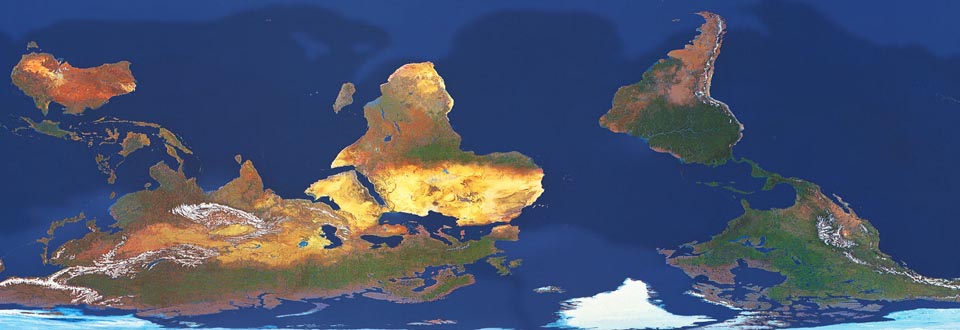
Interesting: the distance between rich and poor is smaller than we thought...
I am more and more convinced every day (and more the more I try to inquire about the issue) that we are heading out of control toward an abyss. I get really annoyed every time I hear the word "crisis", which sounds to me as a false attempt to convince us that this situation is just a "pothole along our journey to prosperity" instead speaking correctly and rigorously, making it clear that the system we used to live in (some people in real waste, others in what we used to call welfare and others in the most astonishing misery) has simply broken down and can no longer support itself. A capitalist system, whose rules of the game were stablished and changed as pleased by a "powerful minority", and which has sunk deaper and deaper the inhabitants of the countries that had less weapons to fight it. Now this system seems to attacked us directly, the ones we once felt/were a real priviledged society .

In the eyes of many people (more and more each day, fortunatelly), this rotten system has no other solution than its disappearance and change to a brand new one. Is is a system in which the finantial powers (see IMF, World Bank, multinational corporations,private banking, etc.) act with ease around a world that is globalized mostly for them (given that money and investments can move freely without borders while people still have not the same right), and make that our "representatives", the politicians, can not do anything else than submitting to them (or they don´t try hard enough). And that is why it is time for PEACEFUL REVOLUTION, time to get on the streets and make ourselves heard.

It is clear that this minority has the money and the power by now, but we have something much more important:
WE ARE MUUUUUCH MORE THAN THEM!!! AND THEREFORE, THEY ARE NOBODY WITHOUT US!!

Seville under the "mushrooms" (19June) - Bilbao at plaza Arriaga (16Oct)

There are many things that can be done, things that we need to think about carefully and without making any hasty desitions, but it is definitely time to begin doing them, now!

I can not go through this topic without explaining that we, the people that get out on the strets, the ones that demand to be heard, the ones that bombard with protest messages, we are continuosly insulted by people who doesn´t even know what they are talking about:

  • We are not gutter punks/crusties (in a comptentuous way). We are people that have studied, educated people with moral values. We are people who do a lot of research, who read, who can´t be distracted or fooled with junk TV, with media that show just what they want, or with other alienating entertainment. 
  • Nothing to say about that we are lice-ridden... it would be a waste of time. 
  • That we are "anti-system" (which is often used as an insult). And well, if they mean that we are anti-capitalist-system we don´t feel offended by their words, because yes, we are. 
  • That we are Red (commies?). And if with this we defend the equity of opportunity for all people, why shouldn´t we be? We don´t fight against the sustenance for your children but we fight in favor of the sustenance for yours and everyone else´s. 
  • That we are Green, plants/flowers lovers. As if defending our ecosystem was not defending the future and survival of our children, grandchildren and all the coming generations that will have nothing if we keep on walking on this unsustainable path. Being green means to make a gesture of solidarity with the not-yet-born, who have the same right as you to enjoy the world. 

We are not left nor right, we are the ones 
in the bottom and we come for the ones on the top!

And what is the first action as a citizen to start changing things?
Well, the first thing is to research, to read, to find out what is going on (using different sources, don´t you resign yourself with a single biased newspaper or TV channel). Be critical, get out, aks people out there to tell you what they know and them check it out. I won´t get tired of saying this: GET INFORMED!!
Second, draw your own conclusions and decide whether or not you agree with what we have and what we are most likely to have in the next future Don´t let yourself go into a passive attitude of "there is nothing I can do", don´t let your descendants reproach you about that in the future, because the union is our only weapon. It is a long way that only just started. We don´t have the answers yet, but at least we are starting to have the appropriate questions.

Now, Spain ("my country") is reaching a turning point (that is not the first one nor the last one), and that means it is a moment we can begin to show our discontent and especially our not-passivity. We will have a general election on November 20th, and I express my disagreement with the two-party system we are living in (in which the two main parties don´t seem to listen to us, citizens, or to start changing the system, but to make it more closed). It is for that I encorage people from my country to stay informed about the options and to vote for a minoritary party, but mainly, to get involved.

And well, I could continue talking about a lot of issues in this topic, but I think I've already stolen enough of your time. Now it is your turn to go look for some more information. And don´t forget: MAKE IT COUNT.

Greetings!

NOT TO ECONOMIC CRIMES AGAINST HUMANITY!!!
YES TO HIGH QUALITY AND PUBLIC HEALTH AND EDUCATIONAL SYSTEMS!! 
YES TO PARTICIPATIVE DEMOCRACY!!

PS: I just want to make clear that, as almost everything in this blog, this is just my humble opinion.

De vuelta a... || Back to...

| jueves, 3 de noviembre de 2011
Hola de nuevo :)

Para empezar me gustaría disculparme por la ausencia de estos meses. Podría poner un montón de excusas como que perdí la inspiración con la vuelta, que necesitaba un tiempo para centrarme en el próximo paso, que no conseguía encontrar cómo contar las cosas o simplemente que la vuelta al rápido mundo de "Occidente" consiguió atraparme de nuevo. De todos modos, prometo cumplir con lo prometido e ir hablando sobre los temas y reflexiones que se me quedaron por el camino, pero hoy me voy a centrar en contaros un poco donde me encuentro actualmente.

Mi viaje de vuelta de Chad fue bien, aunque no nombré el pequeño detalle de que salí del país diagnósticada con malaria (pero mi madre es mi fan numero 1 del blog y no queria tenerla preocupada los últimos dias!). Esto no dejó de ser una anécdota puesto que con el tratamiento adecuado (al que yo, como gran privilegiada que soy, puedo acceder sin problemas) se solucionó. Por lo demás la vuelta fue tan dificil como lo es siempre: el choque con el derroche de recursos y cosas innecesarias, el rápido ritmo del tiempo y la comunicación...ese "bueno...¿cuéntanos algo, no?" al que nunca se sabe qué responder. Aunque decir que adaptarse a la vuelta es más dificil que a la ida (a un "pais del Sur") es una simplificación absurda que deja de tener sentido en el momento en que se ponen los pies en la tierra y se recuerda la cantidad de limitaciones que tienen que sufrir millones de personas en su día a día (por mucho que puedan disfrutar de valores que nosotros hace tiempo que dejamos de cuidar).
Para no ir más lejos os cuento que, desde hace aproximadamente un mes (cuando mi compañera Carolina terminó su estancia en Ndjamena), el Hospital Le Bon Samaritain no tiene ginecólogo y la organización catalana que gestiona a los cooperantes continua como loca intentando encontrar un ginecólogo para reemplazarla. Yo, desde aqui, no puedo dejar de pensar en "mis pacientes" y qué será de ellas, en "Sor Rosa" (el alma de la maternidad) y cómo se las estará arreglando para que algunas cosas sigan adelante y en los alumnos, que han perdido su referente para la formación.

Algunas de mis pacientes más especiales y mi pequeñísima Carolina

Pero bueno, la vida continua, y la mia también.

Ahora, después de tener que renunciar a una beca para estudiar en Suecia, me encuentro en Bilbao y he dejado aparcado temporalmente el ejercicio de mi profesión para especializarme en Cooperación Internacional al Desarrollo. Me siento muy afortunada de haber sido admitida en el programa de máster que el prestigioso instituto Hegoa hace cada año y además, de poder compartir esta experiencia con un montón de gente diferente de las que seguro tengo muchísimo que aprender (y mucho que compartir) durante este año.
He de decir que estoy aprendiendo muchísimo sobre unas disciplinas de las que no sabía practicamente nada, como algunos temás sociales, de economía y política, y me encuentro en un momento en el que que mi mente está sobre todo abierta a nuevos puntos de vista y a buscar soluciones a los problemas a los que nos enfrentamos.

En fin, una vez más estoy contenta de tener la sensación de "estar donde debo estar", pero no penseis que eso conlleva estar en un estado de calma. Creo que ahora más que nunca es momento para la revolución, y como buena revolucionaria que me gusta ser, hablaremos de ello en los próximos dias.

Laster arte!/ Hasta pronto!

De paseo por el Guggenheim
Hello again:)

To begin I would like to apologize for the absence in these months. I could use a lot of excuses like I lost my inspiration, I needed some time to focus on the next step, I could not find how to tell things or just that I got trapped in the fast "Western" life again. Anyway, I promise to keep my word and continue talking about the things and thoughts that I left behind, but today I'll focus a little on where I am now.

My trip back from Chad was good, but I didn´t tell the little detail that I left the country diagnosed with malaria (but my mother is my number 1 fan and I didn´t want her to be worried the last days!). This stayed as an anecdote because with appropriate treatment (which I, as the privileged person I am, I can seamlessly access) was solved. Otherwise, the back was as difficult as it always is: the waste of resources and unnecessary things, the speed of time and the communication... that "well... tell us something!" that you never know how to repply. But saying that suiting back is more difficult than suiting there (in a "Developing" country) is an absurd simplification that stop making sense as soon as you put your feet on the ground and remember the ammount of constraints millions of people suffer daily (however much they may enjoy the values we stopped caring about long time ago).
To take an obvious example I will tell you that, since about a month ago (when my partner Carolina left Ndjamena), the Hospital Le Bon Samaritain does not have any gynecologist and the Catalan organization that manages the aid workers is still trying to find one to replace her. Me, from here, I can not stop thinking about "my patients" and what will happen to them, about "Sister Rosa" (the darling of the Maternity Block) and how might she manage everything by herself, and about the students, who have lost their teacher.

Some of my most special patients and my little tiny Carolina

But well, life goes on, and so does mine.

Now, after having to resign a scholarship to study in Sweaden, I am in Bilbao and I have temporarily left my medical practice to specialize in International Cooperation for Development. I feel very lucky to have been admitted into the masters program that the prestigious institute "Hegoa" offers every year, and I am also fortunate to share this experience with a bunch of different people who I have a lot to learn from (and to share things with) this year.
I must say I´m learning a lot about disciplines I did´n know almost anything about, like some social, economics and politics issues, and I feel my mind is especially open to see new perspectives and seek for solutions to the problems we are facing nowadays.

Anyway, once again I am happy to have the feeling of "being where I have to be," but don´t you think that involves being in a state of calm. I think now more than ever it is time for revolution, and as the revolutionary one I like to be, we will discuss it in the coming days.

Laster arte! / See you soon!

Walking by the Guggenheim

¡Hasta luego Africa! || See you later Africa!

| martes, 16 de agosto de 2011
Parece mentira que han pasado practicamente dos meses y medio...qué rapido pasa el tiempo!

Ya esta preparada mi maleta (porque la verdad es que pocas cosas mías traje y pocas me llevo de vuelta) y en unas horas estaré de nuevo montada en el avión de Air France para hacer una ruta europea antes de llegar de vuelta a Sevilla. En este momento se produce una mezcla extraña de sentimientos de alegría por volver a ver a la familia y amigos (por tener electricidad 24h al día, etc) pero de tristeza porque ahora es cuando más adaptada me encuentro al ritmo africano y me encantaría poder quedarme unos días más.

Me voy queriendo haber publicado más cosas, pero por un motivo y por otro no ha sido posible o no he sentido la "inspiración" en muchos momentos. De todos modos, cuando llegue a casa, espero poder contaros alguna que otra cosita más que se me ha quedado por ahí pendiente.

De Tchad me llevo momentos muy agradables y otros duros también, muchas cosas aprendidas y otras muchas que me gustaría seguir aprendiendo. Por supuesto muchísima gente que no olvidaré facilmente y que han hecho que los días aquí hayan valido la pena y por si no tenía suficiente no ha faltado algún que otro "regalito chadiano" de última hora ;)

En fin, no tengo tiempo para mucho más.... ¡¡Hasta la vuelta!!

Yo y mi compañera "chadiana". Gracias Carito! Sin tí no hubiera sido igual!


It seems incredible that it´s already been two months and a half ... time flies!

I have already packed everything  (because the truth is that I came with just a few things for myself and I am not taking much back) and within hours I will be again on an Air France plane to make a European route before arriving back to Sevilla. At this time there is a strange mixture of feelings of joy to see family and friends (and have electricity 24 hours a day, etc.) and sadness because now is when I am more suited to African rhythm and I would love to stay a few more days.

I wish I had published more staff, but for one reason or another it wasn´t possible or I did not feel the "inspiration" on many occasions. Anyway, when I get home, I hope to tell you a few more things that I have left to tell.

  From TChad I take very nice moments and others harder too, many things learned and many other things I'd like to keep learning. Of course, many people that I will not forget easily and that have made the days here worth it, and if there was not enough I bring with me another last minute "Chadian gift" ;)

Well, I have no time for much more ....Until the return!


My Chadian partner and me. Thanks Carito! Without you I would not have been the same!

CHAD || CHAD

| jueves, 11 de agosto de 2011
Hoy me gustaría continuar con nuestro paseo por este país en el que me encuentro, y es que hoy, 11 de Agosto, no es un día cualquiera para los chadianos sino uno de los días grandes del año: el día de la independencia de Chad.

El territorio que conocemos hoy día como República del Chad y cuya situación geográfica ya definí en mi post anterior, fue hogar de muchas civilizaciones antiguas y reinos como los Sao, los Kanem-Bornu, los Ouaddai y los Baguirmi. Las fronteras actuales de Chad no coinciden con ningún límite natural o étnico, sino que constituyen la herencia de la época colonial (finales de siglo XIX), en la que franceses, italianos, alemanes y otros se repartieron los territorios africanos para formar sus colonias y protectorados. Como consecuencia de esto Chad es un país con una diversidad increible, donde conviven multitud de etnias, religiones e idiomas. Teniendo en cuenta esta diversidad cultural y la rivalidad por el poder entre las diferentes etnias, no es tan dificil de entender la falta de sentimiento de unidad nacional que ha existido y existe en el país, tanto durante sus 51 años de colonialismo francés como a partir de su independencia en 1960.

 La historia de Chad es por lo general una historia llena de guerras, conflictos e inestabilidad política, conspiraciones, represiones violentas, opresión,  masacres y odios. Simplificando al máximo esta maraña, se podría decir que las diferencias entre el Norte (principalmente árabes islamistas así como nómadas del desierto) y el Sur (predominancia de etnia Sara, devotos del cristianismo o el animismo, antigua religión africana que mezcla lo natural con lo sobrenatural y el mundo de los vivos con el de los muertos) han hecho que durante muchos años, exista una lucha por el poder y un favoritismo del gobierno hacia los suyos. Esta falta de unidad sumió al país en una guerra civil de casi dos décadas de duración e incluso ha conducido a los intentos de conquista por parte del vecino Libia. Además, Sudán ha sido a veces acusado de dar cobijo a rebeldes chadianos (al igual que Sudán acusa a Chad de acoger a rebeldes de Darfur) y esto no ha favorecido las relaciones con este país.


Día de la envestidura
Hoy en día, pese a la aparente calma y buena relación con Libia, no podemos afirmar que hayan cambiado mucho las cosas. El país se encuentra gobernado por Idriss Déby (musulmán del Norte) desde 1996. Cada 5 años se celebran elecciones, y él mismo se encargó en 2005 de eliminar la ley que restringía el número máximo de mandatos presidenciales a dos, asegurándose así su reelección. El pasado lunes 8 de Agosto pudimos vivir, aquí en N´djamena, la envestidura del mismo presidente por cuarta vez consecutiva (junto con un gran problema de falta de combustible en el páis y por lo tanto en el hospital por la bajada de precios generada por las promesas electorales). No tengo muchos datos para contar sobre las elecciones, ya que no me encontraba aquí en ese momento, pero además, no me gustaría encontrar mi foto en la aduana si decido volver algún día ;)

Y como decía, los conflictos continúan, y tanto en 2006 como en 2008 se produjeron ataques por parte de rebeldes en la capital. Estos ataques probablemente no llegaron a más por la fuerte presencia militar francesa en el país, ya que Francia mantiene una base militar en N´djamena (los mismos franceses que invaden la piscina del Novotel y el Meridien cada Domingo...).


Indice de transparencia internacional
Además, Chad es considerado como el 8º país más corrupto del mundo (según Transparencia Internacional en 2010, por detrás de otros como Somalia, Afganistan, Irak o Sudan) y la mayoría de los gobiernos occidentales advierten contra los viajes no esenciales a N´djamena y contra cualquier viaje al resto del país (y me atrevo a escribir esto gracias a que me quedan 6 días aquí, si no mi madre probablemente se volvería loca...).

Hace pocos años parecía que la situación del país podría cambiar debido al descubrimiento de yacimientos de petroleo en territorios del sur y a la explotación de estos gracias al oleoducto que llega hasta la costa atlántica de Camerún. Pero a pesar de que el Banco Mundial y Chad firmaron un acuerdo para que este último otorgara el 70% de los ingresos a programas de reducción de la pobreza, pocos cambios se han podido observar desde entonces.

Y bueno, después de este paseo por la política podría continuar durante horas hablando sobre las consecuencias de estos conflictos, como la inexistencia del transporte, la falta de carreteras y red ferroviaria, la ausencia de red de saneamiento y de electricidad, la drástica disminución del número de animales en los parques nacionales, etc, etc, pero la verdad es que preferiría hablar de la rica multiculturalidad que tienen sus gentes, ya que al fin y al cabo es lo que yo consigo ver con mis ojos día a día.

Contrastes en plena capital

niños del sur de Chad
Entre los 10 millones de habitantes que tiene Chad, existen más de 200 etnias y, aunque los idiomas oficiales del país son el francés y el árabe chadiano (que tiene unos 30 dialectos), muchas de las personas no hablan ninguno de ellos. Los niños, por el contrario, son capaces de hablar varias lenguas antes de haber cumplido los 9 o 10 años. 

Niñas vendiendo cacahuetes en Yamena


La familia es la base de la sociedad chadiana (el status de una mujer aumenta con el número de hijos que tiene), pero el machismo y la poligamia estan todavía bastante arraigados en la sociedad. Los chadianos valoran mucho la amistad y la generosidad y siempre ofrecen lo mejor que tienen a sus visitantes, sean o no esperados, sintiéndose afortunados de poder compartir lo que tienen. Tengo que reconocer que muchas veces me siento abrumada por tanta generosidad por parte de quien no tiene mucho que ofrecer, ya que no hay vez que no pase junto a alguien que este comiendo sin que me ofrezcan de corazón que me siente con ellos. 


Familiares en el hospital


Plaza de la Nación
Y mientras al otro lado del rio, frente a la casa presidencial (de la que no os puedo mostrar fotos porque nunca se me ocurriría sacar la cámara delante de tanta metralleta), se celebran hoy desfiles por la independencia , yo no dejo de pensar en qué es lo que tanto hay que celebrar. Una vez más, la mano del hombre occidental probablemente se metió donde no debía, siempre en busca de sus propios intereses. Quizás sin nuestra ayuda esta gente continuarían sin poder llamarse a sí mismo chadianos, pero seguirían conviviendo en sus pequeñas comunidades, en más o menos equilibrio, respetando cada uno la cultura y costumbres de los demás, sin tener que vivir bajo las ideas de los que tienen la sartén por el mango. 

Al mirar a esta gente vemos a chadianos. Pero si miramos más allá veremos una herencia cultural de siglos: católicos, protestantes, musulmanes, animistas, agricultores, pescadores, comerciantes, nómadas, árabes, Sara, Gura, Tumak, Tangale, Fulani, Daza, etc, etc. Y yo me pregunto, ¿es que realmente fueron los franceses los que les dieron la independencia, o fueron los que se la quitaron?


En un lugar cualquiera de Chad
 Un saludo chadiano! :) 


Today I would like to continue our tour around this country where I am now, becouse today, August 11th, it is not a typical day for Chadians but one of the greatests days of the year: Chad Independence Day.

The territory we know today as the Republic of Chad and whose geographical situation I already defined in my previous post, was home to many old civilizations and kingdoms such as Sao, Kanem-Bornu, Ouaddai and Baguirmi. The current borders of Chad don´t coincide with any natural or ethnic limit but just the heritage of the colonial era (late nineteenth century), in which French, Italian, German and others divided the African territories to form colonies and protectorates. As a consequence of this, Chad is a country with incredible diversity, where a enormous variety of ethnicities, religions and languages coexist. Given this cultural diversity and rivalry for power between the different ethnic groups, it is not so difficult to understand the lack of sense of national unity that has existed and still exists in the country, both during his 51 years of French colonialism as from its independence in 1960.

Chad's story is, in general terms, a history full of wars, conflicts and political instability, conspiracies, violent repression, oppression, massacres and hate. Simplifying the most of this trangled web, we could say that the differences between the North (mainly islamist arabs and nomadic people from the desert) and the South (predominantly ethnic Sara, devotees of Christianity or Animism, an ancient African religion that mixes the natural with the supernatural and the world of the living to the dead) have made exist, for many years, a struggle for power and a favoritism from the government to his own culture. This lack of unity plunged the country into a civil war during nearly two decades and has even led to conquest attempts by the neighboring Libya. In addition, Sudan has sometimes been accused of sheltering Chadian rebels (as Sudan accused Chad of hosting Darfur rebels) and this has not helped relations with this country.

Investiture day
Today, despite the apparent calm and good relations with Libya, we can not claim that things have changed much. The country is ruled by Idriss Déby (Northern Muslim) since 1996. Elections are held every 5 years, and in 2005 he abolished the presidential two-term limit, thus ensuring his reelection. Last monday (August 8th) we could attend here in N'djamena the investiture of the same president, for the fourth time in a row (along with a big problem of lack of fuel in the country, and therefore in the hospital, due to lower prices generated by the campaign promises). I have not much data to tell about the elections, because I was not here at that time, but besides, I would not like to find a picture of myselt at the customs if I eventually decide to come back here ;)

And as I said, the conflicts continue, and in both 2006 and 2008, there were attacks by rebels in the capital. These attacks probably didn´t reach over due to the strong French military presence in the country, as France maintains a military base in N'Djamena (the same French guys that invade the swimmingpool at the Meridien and the Novotel every Sunday ...).

Transparency International
In addition, Chad is considered as the 8th most corrupt country in the world (according to Transparency International in 2010, after others such as Somalia, Afghanistan, Iraq and Sudan) and most Western governments warn against non-essential travel to N'Djamena and against all travel to therest of the country (and I dare to write this because I have just 6 days left here, if not my mother probably would go crazy ...).

A few years ago it seemed that the country's situation could change due to the discovery of oil deposits in the southern territories and exploitation of these thanks to the pipeline that reaches the Atlantic coast in Cameroon. But although the World Bank and Chad signed an agreement in which Chad granted 70% of revenue to poverty reduction programs, few changes have been observed since then.

Well, after this tour of politics I could go on for hours talking about the consequences of these conflicts, including the lack of transport, lack of roads and railways, the lack of plumbing and electricity, the drop in number of animals at the national parks, etc, etc, but the truth is I would rather talk about these people´s rich multiculturalism, since it is what I get to see with my eyes every day.

Contrasts in the capital

Children from the south
Among the 10 million people Chad have, there are over 200 ethnic groups and although the country's official languages ​​are French and Chadian Arabic (which has about 30 dialects), many people do not speak any of them. Children, however, are able to speak several languages ​​before have completed 9 or 10 years.
Girls selling nuts in Yamena


The family is the foundation of Chadian society (the status of women increases whit the number of children they have), but male chauvinism and polygamy are still quite ingrained in society. The Chadians value on friendship and generosity and always offer the best they have to their visitors, whether or not expected, feeling fortunate to share what they have. I have to admit that I often feel overwhelmed by so much generosity of those who don´t have much to offer, as everytime I pass by people who are eating they always offer me to have a sit with them.

Patients family

Nation Square
And while, on the other side of the river, in front of the presidential palace (of which I cannot show photos because I would never think of taking out the camera in front of such amount of submachine guns), there are parades today to celebrate Chad Independence , I can´t stop thinking what it is we have to celebrate so much. Once again, western hands probably came where they should not, always in search of their own interests. Perhaps without our help, these people would not be calling theirselves Chadian, but they would continue to live together in their small communities, more or less in balance, respecting each other´s culture and customs, without having to live under the ideas of those that have the upper hand.


By looking at these people we see Chadians. But if we look beyond we will see a cultural heritage of centuries: Catholics, Protestants, Muslims, Animists, farmers, fishermen, traders, nomads, Arabs, Sara, Gura, Tumak, Tangala, Fulani, Daza, etc, etc. And I wonder, were really the French who gave them independence, or were they who took it away from them?


Somewhere in Chad
 Chadian greetings! :)

TAMBIEN LA LLUVIA || EVEN THE RAIN

| domingo, 7 de agosto de 2011
Hace ya casi dos meses que escribí sobre la lluvia torrencial chadiana, quizás con algo de temor por poder terminar con el hospital inundado por el rio según avanzara la estación de lluvias. En ese momento no pensé que acabaría escribiendo a poco tiempo de volver sobre todo lo contrario, la sequía.

Tchad es un pais grande, de 1.284.000 km2, con tres zonas climáticas diferenciadas: al norte el desierto del Sahara (con su zona más árida, Borkou, situada en este pais), el cinturón del Sahel en el centro, y la sabana sudanesa, más fértil, al sur.

Situada en el norte de Africa central y con vecinos como Libia (norte), Sudán (este), República Centroafricana (sur), Camerón, Nigeria y Níger (oeste), se le ha llegado a dar el nombre de "el corazón muerto de Africa", y bueno, esto nos dar una imagen de lo que nos podemos encontrar aqui (pero para nada una imagen de la gente que vive aquí).


En Tchad, no existen las estaciones climáticas como las conocemos típicamente, aquí sólo hay dos estaciones: la seca y la de lluvias (esta útima se extiende aproximadamente de Junio a Septiembre, algo más en el sur).

Sahel

Con mi llegada en Junio, llegaba también la ansiada bajada de temperaturas (que superan los 40ºC en Abril y Mayo) y las lluvias que devolverían la escasa fertilidad a la tierra. Todos nos advertían de la crecida anual del río, de las inundaciones en el campo y la ciudad  y de las largas horas de lluvia que apenas cesarían en días. Pero esas lluvias nunca llegaron y las tormentas que han insinuado que nos encontramos en plena estación húmeda se pueden contar con los dedos de las manos.
El calor húmedo continua siendo la mayoría de los días insoportable, y de vez en cuanto el cielo se cubre de nubes y el viento huracanado amenaza a gritos con una tormenta de agua que casi nunca llega, y que cuando lo hace dura apenas un rato, quizás suficiente como para que las temperaturas bajen y consigamos respirar fuera de este "hammam" en el que vivimos, pero nunca tanto como para devolver la vida a estas áridas tierras.

Huerto junto a nuestra casa
Desde mi pequeña burbuja hospitalaria me cuesta mucho visualizar el alcance de esta sequía, ya que llueva o no llueva, mi comida sigue estando en la mesa cada día a su hora, y la nevera repleta de botellas con agua. Pero aún así no hace falta más que dar un pequeño paseo por los alrededores para observar como la arena está cada vez más seca y suelta, como si de una playa paradisiaca se tratara. Los pequeños huertecillos que hay junto a las casas y junto al rio, secos, áridos, con alguna que otra planta amarillenta que cualquiera de nosotros dudaría de si se trata de una planta comestible o si más bien es un arbusto silvestre. Y no se nos puede olvidar nunca que nos encontramos en la capital, que pobre o menos pobre, esta gente puede tener acceso a algún mercado (donde hay productos importados de Camerun, que se encuentra a pocos kilómetros de aquí) a algún pozo, o al agua del río... pero ¿qué pasa con aquellas comunidades que se encuentran alejadas de la ciudad, de los rios, del lago Chad...?

El lago Chad..ese lago situado entre las fronteras de Chad, Camerún, Nigeria y Niger, que constituye el segundo cuerpo de agua más grande de Africa (suministra agua a unos 20 millones personas y a otros muchos animales que son fuente de carne y leche, irriga los cultivos y provee pescado) y que en los últimos 50 años ha disminuido su tamaño a menos del 10%. ¿Qué ocurre cuando este agua no se renueva, y comienza a ser tan escasa que no hay suficientes cultivos y pescado para alimentar a la población? Cada día que pasa sin llover, las tierras de estas gentes se secan un poquito más, al igual que sus esperanzas.
Cambios en el lago Chad


Esta situación es mucho más drástica en la mitad norte del país, en los terrenos del Sahel y del Sahara, donde de por sí, llueve poco incluso en la estación húmeda. Aquí, la población en muchos lugares es nómada, por la imposibilidad de desarrolar la agricultura y la ganaderia, y es bastante frecuente que se produzcan hambrunas y desnutrición severa. Este problema se agrava si le sumamos los conflictos internos del país, los problemas de migración bilateral en la frontera este con Sudán (Darfur) y la reciente guerra de Libia, que ha hecho que tanto chadianos emigrados como libios tengan que salir del país y entrar en un Chad arrasado por la sequía. En el norte, familias que ya tenían problemas para subsistir, se encuentran ahora con una falta de lluvias y con que las bocas a alimentar son más debido a estas migraciones de guerra.


Recientemente estamos viendo en las noticias (y no es que yo las vea mucho...) las consecuencias de una de las peores sequías de los últimos 60 años en el cuerno de Africa (Somalia, Etiopía, Djibuti, Kenia..). A mí, aún viviendo ahora en Africa, me es muy dificil imaginar el alcance de esta tragedia. Lo único que puedo decir es que nos puede parecer como un cuento, algo lejano e incomprensible, pero esta pasando delante de nuestros ojos, a tan sólo unas horas de nuestra casa en un avión de Air France. Yo no vivo esa desesperación por un bien tan básico como es el agua, pero si puedo sentirla en el ambiente, y verlo en los ojos de la gente que no deja de mirar el cielo.

Para terminar haciendo referencia al título de este post, que es también el título de una película que os recomiendo, me pregunto que si a esta gente que no tiene nada, que son afortunados si comen una o dos veces al día (y siempre lo mismo), que tienen que sufrir la muerte de sus propios hijos varias veces en la vida, que no pueden permitirse la visita al médico (si es que hay médico) o el tratamiento que éste le prescribe...si a esta gente, le quitamos también la lluvia, ¿que les queda?

Y como no me gusta terminar con una visión tan negativa, os contaré que hace dos días la mañana amaneció oscura como la noche y tuve que disfrutar de un paseo bajo la lluvia para llegar al hospital, y aunque ayer volvió a salir el sol, hoy no ha parado de llover en toda la mañana. Es domingo y podríamos estar ahora mismo en la piscina, pero... que llueva!! :)

¡¡Por fin la lluvia en el jardin!!


Diablo mojadito :)


Y por si a alguien le queda alguna duda de que me encuentro en “el corazón vivo de Africa”, aquí os presento a mi vecinito Jack corriendo en busca de caramelos. El ni se imagina cuánto voy a echar de menos sus saludo-maullidos de “ciao” por las mañanas :)


Almost two months ago I wrote about the chadian rain, perhaps with fear of ending up with the hospital flooded by the river as the rainy season progressed. At that time I did not think I would write later, almost at the end of my trip, about the opposite matter, the drought.

Chad is a large country of 1,284,000 km2, with three distinct climatic zones: at north the Sahara desert (with its driest place, Borkou, located in this country), the arid Sahel belt in the center, and the Sudanese Savanna, more fertile, at south.

Located in north central Africa and neighboring Libya (north), Sudan (East), Central African Republic (south), Cameron, Nigeria and Niger (west), it has been called "the dead heart of Africa", and well, this can give us a picture of what we can find here (but not at all a picture of its people).


In Chad, there are no seasons as we typically know them, here there are only two seasons: dry season and rainy season (this one lasts from June to September, a little more in the south).

Sahel

Along with my arrival in June, it was also supposed to come the desired drop in temperature (which is above 40º C in April and May) and the rains that would bring the meager fertility back to earth. We were warned of the annual growth of the river, the floods in the countryside and the city and
the long rainy hours that would not cease in days. But those rains never came and the storms that have suggested that we are in full wet season can be counted on fingers.

The humid heat is still unbearable most days, and from time to time the sky gets covered with clouds and the gale-force winds threaten with a rainstorm that hardly ever comes, and when it does it lasts only a while, maybe enough for temperatures to drop and for us to get to breathe outside this "hammam" in which we live, but never enough to give life to this arid land.

Vegetable garden close to our house
From my little "hospital bubble" I can hardly visualize the scope of this drought because, come rain or shine, my food is still on the table every day on time, and the fridge is full of water bottles. But it is enough to go for a walk around to see how the sand is increasingly dry and loose, as if it was a heavenly beach. The small little vegetable gardens next to the houses and the river are dry, arid, with occasional yellow plants that any of us would question whether they are edible plants or just some wild bushes. And we can never forget that we are in the capital and that, poor or less poor, these people can have access to a market (where there are imported goods from Cameroon, that is located a few miles from here), to some well, or water from the river... but, what about those communities that are far from the city, the rivers, or the Lake Chad...?

Lake Chad... that lake situated between the borders of Chad, Cameroon, Nigeria and Niger, which is the second largest water body in Africa (that provides water to about 20 million people and many other animals that are source of meat and milk, irrigates crops and provides fish) and that in the last 50 years has decreased its size to less than 10%. What happens when this water is not renewed, and it becomes so scarce that there are not enough crops and fish to feed the population? Each day that passes without rain, the land of these people is a little drier, and so is their hope.

Changes in lake Chad

This situation is much more drastic in the northern half of the country, on the grounds of the Sahel and Sahara, where there is little rain even in the wet season. Here, the population is nomadic in many places, due to the inability to develop agriculture and livestock, and famine and severe malnutrition occur quite often. If we add to that the country's internal conflicts, issues of bilateral migration on the eastern border with Sudan (Darfur) and the recent war in Libya, which has made both Chadian emigrants and Lybians leave and come into a Chad devastated by drought, that makes the problem even bigger. In the north, families that already had problems to survive, find themselves now in a lack of rain and with more mouths to feed because of these war migrations.


Recently we are seeing in the news (not that I see them a lot...) the consequences of one of the worst droughts in the last 60 years in the Horn of Africa (Somalia, Ethiopia, Djibouti, Kenya ..). To me, even now that I am living in Africa, it is hard to imagine the reach of this tragedy. All I can say is that it may seem like a story to us, something distant and incomprehensible, but it is happening before our eyes, just a few hours from our home on an Air France plane. I do not live myself that desperation for something as basic as water, but I can feel it in the environment, and I can see it in the eyes of people who do not stop looking at the sky.

Finally, referring to the title of this post, which is also the title of a movie that I recommend, I wonder if these people who have nothing, that are lucky to eat once or twice a day (and always the same thing), who have to suffer the death of their children several times in life, who can not afford the doctor visit (if there is any doctor) or the treatment he prescribes... if we take even the rain away from them, what do they have left?

And as I don´t like to finish with such negative vision, I will tell you that two days ago the morning dawned dark as night and I had to enjoy a walk in the rain to get to the hospital, and although yesterday the sun rose again, today it has not stopped raining since I woke up. It is sunday and we could be right now at the swimming pool but... blessed rain!!

Finally some rain in the garden!!


Wet Diablo :)


And if someone doubts that I am “ in the living heart of Africa”, I will introduce you to my little neighbour Jack, running to get some candies. He cannot imagine how much I am going to miss his miaow-like “ciao” every morning :)


Copyright © 2010 Haz Q Cuente || Make It Count